Book: Animal Farm
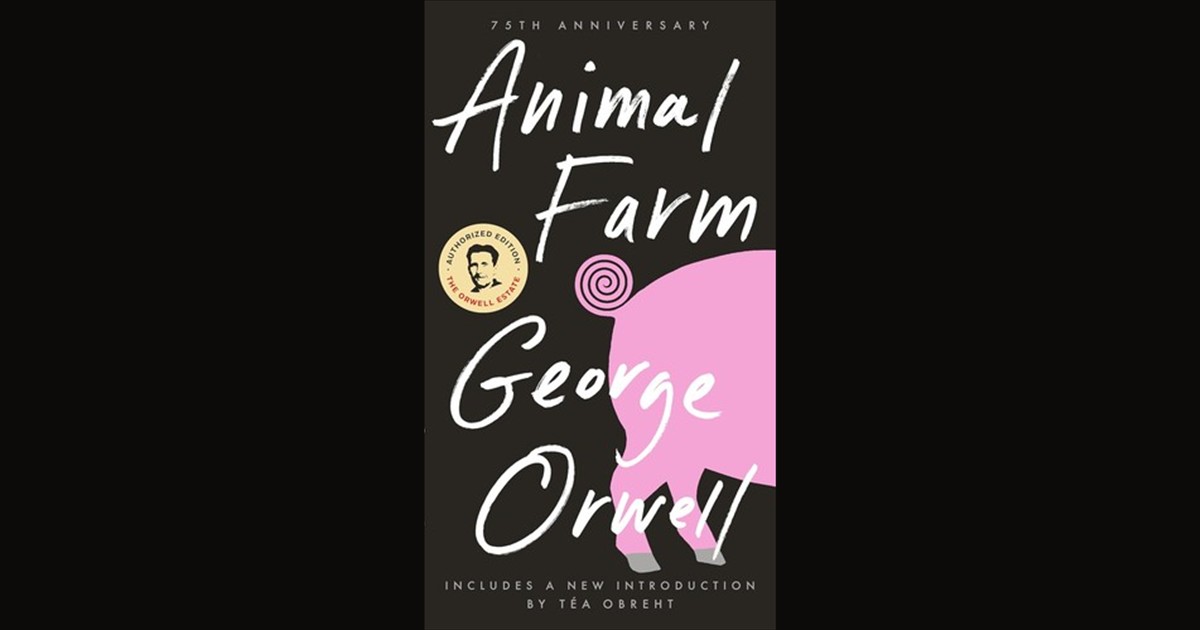
Overview
Title: Animal Farm
Author: George Orwell
Published: 1945
Genre: Political satire / Allegorical fiction
Pages: ~112
Date Read: 2026-01-22
Rating: 8 / 10
Description
Animal Farm is a short allegorical novella by George Orwell, first published in England on 17 August 1945. It tells the story of a group of farm animals who rebel against their human farmer, hoping to create a society where the animals can be equal, free, and happy. Ultimately, the rebellion is betrayed, and the farm ends up in a state as bad as it was before, under the dictatorship of a pig named Napoleon.
The novella is widely understood as a satirical allegory for the events leading up to the Russian Revolution of 1917 and the Stalinist era. Orwell wrote it as a critique of totalitarianism and a defence of democratic socialism.
“All animals are equal, but some animals are more equal than others.”
— George Orwell, Animal Farm (1945)
My Notes
This was one of many books I’ve decided to read to fill in the classics gap. It is one I really enjoyed, and is as important today as it ever was. The idea that the workers should revolt and take over the means of production is an obvious takeaway from this text, but that is too simplistic. The book speaks to how power corrupts. How power can mutate the ‘reality’ to suit a narrative that keeps it in power. This is most of interest in politics of today as well as Orwell’s writing period.
- What did this book make you think about? How did the allegory land for you?
- I liked how the Pigs in charge kept making plausible reasons why they should be compensated more than others, and that the other animals accepted this to keep the status-quo even as things went in the opposite direction of the initial rebellions core tenets.
- Were there characters or moments that stuck with you?
- The rewriting of history to paint the animals who left as evil, and even those that were the ‘heros’ in the rebellion were painted to be the opposite. This happens in our own timeline.
- Did it change or reinforce any of your views on leadership, power, or politics?
- I think the idea of CEO’s making 1000x of the average worker is akin to the Pigs in this story. The other idea is of power corrupting, and ultimate power corrupting ultimately.
- Would you recommend it? To whom?
- Highly. This and Candide should be taught in every school. However… I think it is banned in some places… isn’t that ironic.
Quotes
“Four legs good, two legs bad.” “All animals are equal, but some animals are more equal than others.”